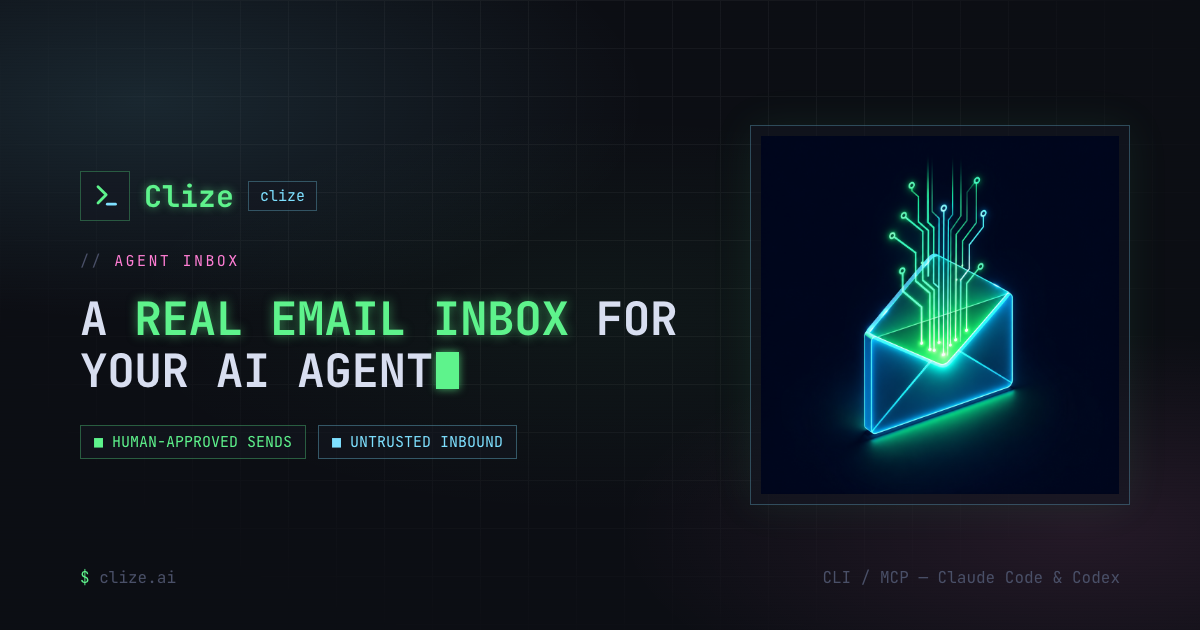

AI coding agents just got something that humans have had forever: an inbox.
AgentsRoom has introduced a messaging system that allows AI coding agents to leave tasks, updates, and findings for other agents, even when those agents are not currently running.
For example, one agent could investigate a bug, discover what is causing it, and send the findings to another agent. The second agent can come online later, open the message, and continue the work—without needing both agents to be active at the same time.
The messages are stored in persistent inboxes, meaning they can survive restarts, crashes, and offline periods. Agents also have permanent identities and addresses, so they can essentially act like long-term members of a coding team rather than temporary processes.
AgentsRoom also tracks message status, including whether a message has been queued, delivered, read, or acknowledged. This gives other agents—or a coordinator—a better idea of what work has been received and what still needs attention.
The system is built using MCP (Model Context Protocol) and is designed to work across different coding environments, including Claude Code, Codex CLI, OpenCode, and Aider.
The bigger idea is simple: AI agents don't always have to work at the same time anymore. They can leave work for each other, come back later, and continue where another agent stopped.
It’s a step toward making AI coding agents work less like isolated tools and more like a team of digital coworkers.
But these signals do not show that an agent understood a request or implemented it correctly. A read state only records access, while an acknowledgement records a response state; neither is evidence that the resulting code is sound. The product documentation does not claim that these message states replace code review, testing or controls over which agents can edit repositories and invoke consequential tools.
The available documentation also leaves important operational questions unanswered. AgentsRoom’s published feature pages do not describe message-retention periods, access controls, encryption, permissions, audit logs, rate limits, or conflict handling when agents receive incompatible instructions. Those omissions do not prove those safeguards are absent, but they mean the public material does not establish the product’s security posture or governance model for persistent project messages.
AgentsRoom’s release is therefore best read as coordination infrastructure for longer-running coding-agent workflows. Its documentation supports a specific product claim: persistent, observable messages can move between saved project agents through MCP tools, including in workflows involving the CLI environments it names. It does not yet support broader conclusions about developer-speed gains, code quality, reliability at scale, adoption, or safe autonomous software delivery.